


LEARN’s Behavior Technician Training: Our Commitment to Excellence
FEATURED POSTS



September 15, 2026

September 11, 2026
LEARN recognizes the critical role that effective training plays in the success of any program or initiative. As a result, we have invested heavily in redesigning our Behavior Technician (BT) Training program to ensure that all our trainees receive the highest quality training possible. With nearly 5,000 BTs working on the front lines each day to provide contemporary ABA services to children with autism and their families, it is essential that our BT training is up-to-date, comprehensive, and effective.
In the fall of 2021, LEARN undertook a significant endeavor to revamp our BT training program, focusing on providing all trainees with a thorough understanding of the core principles of ABA. We collaborated with renowned experts from ABA Technologies to guide the redesign of our program, ensuring that it meets all the requirements for the Registered Behavior Technician® (RBT®) exam and that our BTs are fully prepared to deliver exceptional services to our clients. Additionally, our BTs receive individualized, client-focused training provided by supervisors once they are in the field.
Our commitment to using the most effective training methods and incorporating the latest evidence-based practices sets our BT training apart from similar programs.
Our program includes five core components:
Direct Instruction
We believe high-quality training requires a strategic and deliberate approach grounded in evidence-based practice. Our training approach is based on direct instruction, a method that emphasizes carefully developed instructional sequences using explicit teaching techniques. With direct instruction, our trainers provide our trainees with clear and concise guidance on how to master new skills and knowledge while ensuring they are fully engaged in the learning process.
But direct instruction is more than just an effective teaching method. It’s also a dynamic and fun training experience that motivates trainees to learn and achieve their goals. Using this approach, we create an engaging and supportive learning environment that encourages active participation and fosters a sense of community among our trainees.
Of course, to ensure that our trainers deliver the highest-quality training possible, we have invested heavily in their professional development. All of our trainers participate in extensive training in direct instruction and receive ongoing support and feedback regarding their use of training techniques. This ensures that our trainers are always up-to-date with the latest best practices in training and can provide our trainees with the most effective instruction possible. At LEARN, we’re committed to providing a world-class training experience that is both effective and enjoyable, and we believe that our approach to direct instruction is a key part of that commitment.
Preview of Impact
We understand that the workforce is constantly evolving, and many people are now seeking meaningful and rewarding employment. With this in mind, we designed our new BT training program to provide trainees with the skills and knowledge they need to make a positive impact on the lives of their clients and their families.
The LEARN BT training program emphasizes the importance of applied behavior analysis (ABA) and its ability to create lasting change in our clients’ lives. Trainees will hear directly from BTs who work in the field and have experienced firsthand the triumphs and victories of working with families. The majority of the training program focuses on learning how to use a variety of techniques and strategies used in ABA therapy and implement them effectively to achieve the best possible outcomes for their clients. Throughout the training program, trainees will have many opportunities to demonstrate their skills and receive feedback.
By emphasizing the impact that ABA can have on clients and their families, we aim to inspire our trainees to approach their work with a sense of purpose and dedication. By providing our trainees with the tools and knowledge they need to succeed, we can help them build rewarding and fulfilling careers that make a real difference in the lives of others.
Live, Small Group Instruction
We take great pride in our team of highly-motivated, dedicated, and skilled trainers to ensure the success of our trainees. Our trainers are not only experts in their fields but also possess a wealth of experience working with trainees from diverse backgrounds with varying experiences. They have an in-depth understanding of how to create an effective learning environment that is supportive, engaging, and personalized to meet the unique needs of each trainee.
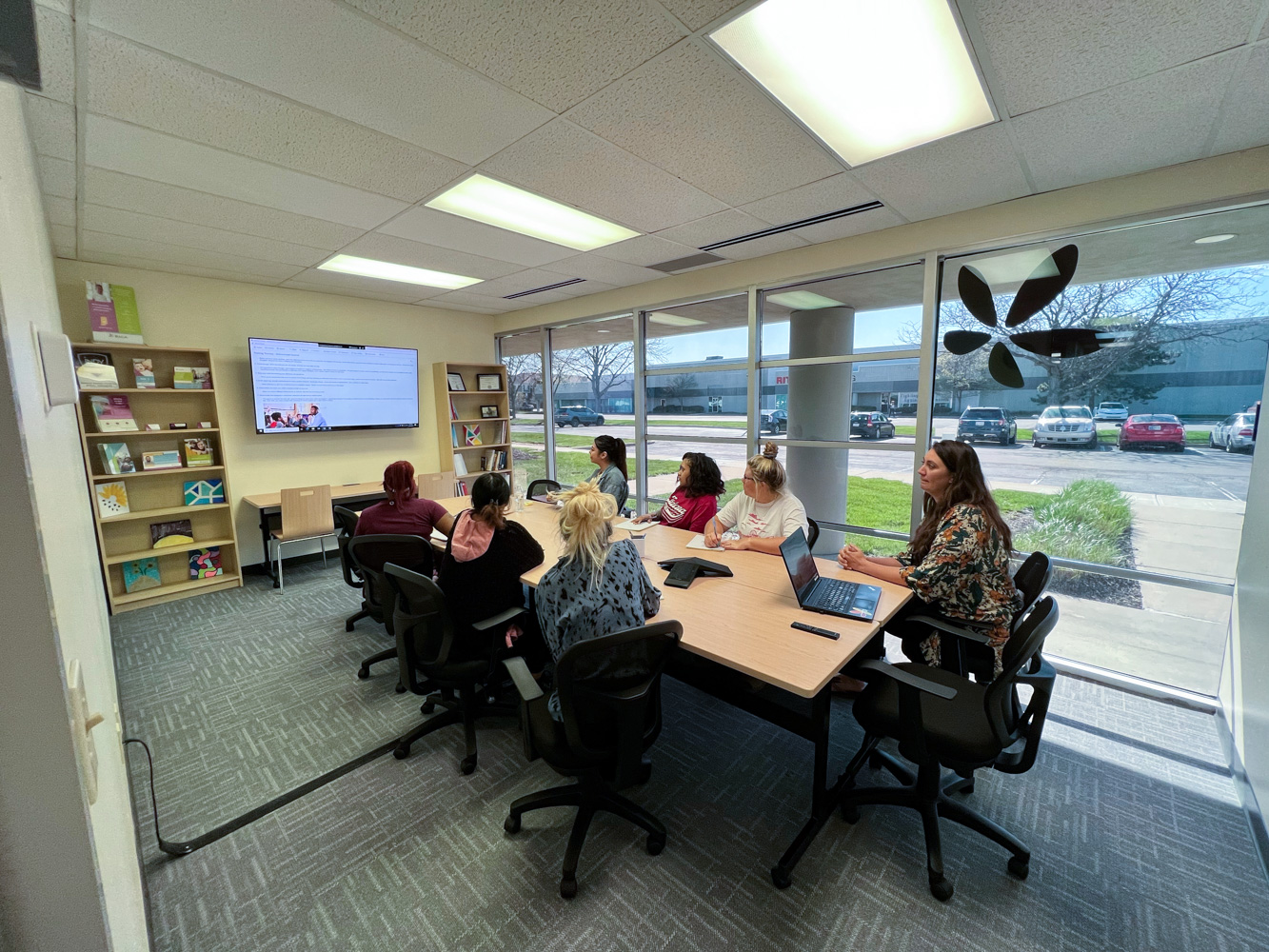
To achieve this, we use a highly interactive and engaging training approach that emphasizes hands-on learning experiences. Conducted in small groups, our live training sessions allow our trainers to provide each trainee with individual attention, support, and feedback. This approach ensures that trainees can practice and apply their new skills and knowledge and receive immediate feedback on their progress.
DE&I Integration
We believe that diversity, equity, and inclusion (DEI) are essential to creating a positive and productive work environment. We understand that a diverse workforce not only brings unique perspectives and experiences but also fosters creativity, innovation, and growth. That’s why we’re committed to supporting robust DEI initiatives that enable all employees to feel valued, supported, and empowered.
Our approach involves facilitating access to various resources, affinity groups, and training programs that promote DEI in the workplace. These initiatives include regular workshops and training sessions designed to help employees better understand DEI issues and learn how to apply best practices in their day-to-day work. Our trainers highlight the importance of DEI initiatives and encourage active participation from all employees.
Moreover, we believe that DEI initiatives are not just a box-ticking exercise but a fundamental aspect of our organizational culture. We recognize that fostering a culture of diversity, equity, and inclusion requires ongoing commitment, engagement, and action from everyone in our organization. As such, we encourage all employees to actively promote DEI and share their experiences, ideas, and perspectives with others.
Child Development & Play Training
At LEARN, we take pride in serving a diverse age range of clients, specifically young children. We recognize children are naturally curious and playful and that play is essential to their development. As such, we prioritize training our staff to engage children in meaningful and developmentally-appropriate play activities. We designed our training program to provide staff with the skills and knowledge they need to facilitate play-based learning experiences that are both fun and educational. We cover many topics, from the basics of child development to the latest approaches in naturalistic teaching. Our trainers work closely with staff to ensure they have a deep understanding of how to play with children at different developmental levels and tailor activities to meet each child’s unique needs and interests. By investing in our staff and providing them with the tools they need to succeed, we provide high-quality care to the young autistic children we serve.
Within LEARN, we’re committed to providing our trainees with the knowledge, skills, and resources they need to succeed in their careers. Our BT training program is just the beginning of a lifelong journey of learning and professional growth. We believe that ongoing education and skill development are essential for staying competitive in today’s fast-paced and constantly evolving job market.
That’s why we offer a range of advanced training programs, workshops, and continuing education courses that enable our trainees to deepen their knowledge and stay up-to-date with the latest best practices in their field. We’re dedicated to supporting career advancement and providing our trainees with the resources and guidance they need to achieve their professional goals.
Whether you’re just starting your career or looking to take the next step, LEARN is here to support you every step of the way. We’re committed to providing a world-class training experience that empowers our trainees to achieve their full potential and positively impact their communities.
Interested in working with us? Search our careers here: https://learnbehavioral.com/careers
To learn more about working as a BT, read “What in the World Is a Behavior Tech?” and check out our “Top 5 Reasons to Become a Behavior Tech.”