Private Insurance and ABA Therapy in Arizona: A Parent’s Guide
November 11, 2026
November 11, 2026
COMING SOON—Our NEW Sacramento, CA Learning Center! Learn More



FEATURED POSTS


If you are a parent of a child with autism in Arizona, you have probably heard that applied behavior analysis (ABA) therapy can help kids build communication, social, and daily living skills. Figuring out how to pay for it is usually the harder part, and Arizona’s rules changed significantly in 2025 in ways many online guides have not yet caught up with. This guide walks through what the law currently requires, how to check your own plan, what you might pay, and how Medicaid fits in.
Arizona law requires private insurance to cover ABA therapy for most families with coverage through a larger employer. Under Arizona’s autism insurance law (ARS 20-826.04, with parallel provisions for HMOs, group disability insurers, and blanket disability insurers), state-regulated plans cannot deny coverage or impose dollar limits, deductibles, or coinsurance based solely on an autism diagnosis, and cannot exclude medically necessary behavioral therapy, including ABA, when it is provided or supervised by a licensed or certified provider.
There is an important carve-out to know about. The law does not apply to policies issued to an individual or to a small employer with 2 to 50 employees. If you buy your own coverage rather than getting it through a larger job, or your employer is a small business, this particular Arizona mandate does not require ABA coverage, and you will need to check your plan directly. LEARN delivers care through its AST team wherever it fits your family, whether in your home and community, at your child’s school, or in a center-based Learning Center.
Arizona law (ARS 20-826.04 and its HMO and disability-insurer counterparts) gives families with covered plans several protections:
This is a meaningful change worth calling out directly. Arizona’s original 2008 law, sometimes called Steven’s Law, set tiered dollar caps of $50,000 per year for children up to age 9 and $25,000 per year for ages 9 to 16. Senate Bill 1590, signed into law in May 2025, removed those caps entirely from the statute. Many online resources still describe the old-age tiers and dollar limits, so if you see those figures elsewhere, they reflect the law as it stood before 2025, not the current requirements.
Beyond the individual-versus-group distinction above, there is a second layer worth checking. Arizona insurance law governs state-regulated group plans. Many large employers, though, use self-funded (self-insured) plans, where the employer pays claims directly. Self-funded plans are governed by federal ERISA law rather than state mandates, so the Arizona protections described above may not apply to them.
Finding out takes only a few minutes. Follow these steps:
Why this matters: Two Arizona families holding insurance cards from the same company can have very different ABA coverage, depending on whether the plan is large-group, small-group, individual, or self-funded. The card alone will not tell you, so it is worth confirming for your own kids before you assume.
When your plan covers ABA, your out-of-pocket cost is usually limited to standard cost sharing, such as your copay, coinsurance, and deductible, up to your plan’s out-of-pocket maximum. Since the 2025 change removed Arizona’s autism-specific dollar cap, cost sharing generally follows the same terms as the rest of your plan. The total amount of therapy varies from one child to the next, because a board certified behavior analyst (BCBA) sets the recommended hours in an individualized treatment plan.
A few cost details are worth knowing in advance:
Because plan designs differ so much, especially given the individual-versus-group distinction in Arizona, the most reliable way to understand your costs is to have your provider verify your benefits before services start. You can learn about our ABA therapy services and contact our intake team to have your Arizona benefits checked at no cost.
In Arizona, LEARN Behavioral serves families through its Autism Spectrum Therapies (AST) team, and we are in-network with most private insurance companies and accept all forms of private insurance, as well as Medicaid. Our intake and authorizations team verifies your specific plan’s benefits before therapy begins, so you know what is covered up front, including whether the state mandate applies to your particular plan.
Families across Arizona carry coverage from carriers such as Blue Cross Blue Shield of Arizona, Aetna, Cigna, UnitedHealthcare, and Banner Aetna. Each carrier covers ABA subject to medical necessity and the terms of your specific plan, which is why confirming your individual benefits is an important step. Rather than guessing from a plan name, reach out and let our team check your coverage directly.
Private coverage for ABA depends on medical necessity, meaning you must demonstrate that ABA is the appropriate treatment for your child’s needs. To establish medical necessity in Arizona, you will generally need the following:
If a claim or service request is denied, Arizona law gives you the right to appeal directly with your insurer first, generally through informal reconsideration and then a formal appeal. If that does not resolve it, you can request a free external, independent review through the Arizona Department of Insurance and Financial Institutions (DIFI). An independent reviewer then decides the case, and the insurer must follow that decision.
Arizona Medicaid, known as AHCCCS (the Arizona Health Care Cost Containment System), also covers medically necessary ABA therapy for children. Coverage runs through the federal EPSDT benefit for eligible members under 21, with no annual dollar cap, and is delivered through AHCCCS managed care plans with prior authorization required.
Because AHCCCS delivers ABA through contracted managed care plans, the providers that are in-network can change from year to year. If your child is enrolled in AHCCCS, ask your specific managed care plan how to request an ABA authorization and confirm which providers in your area are currently enrolled.
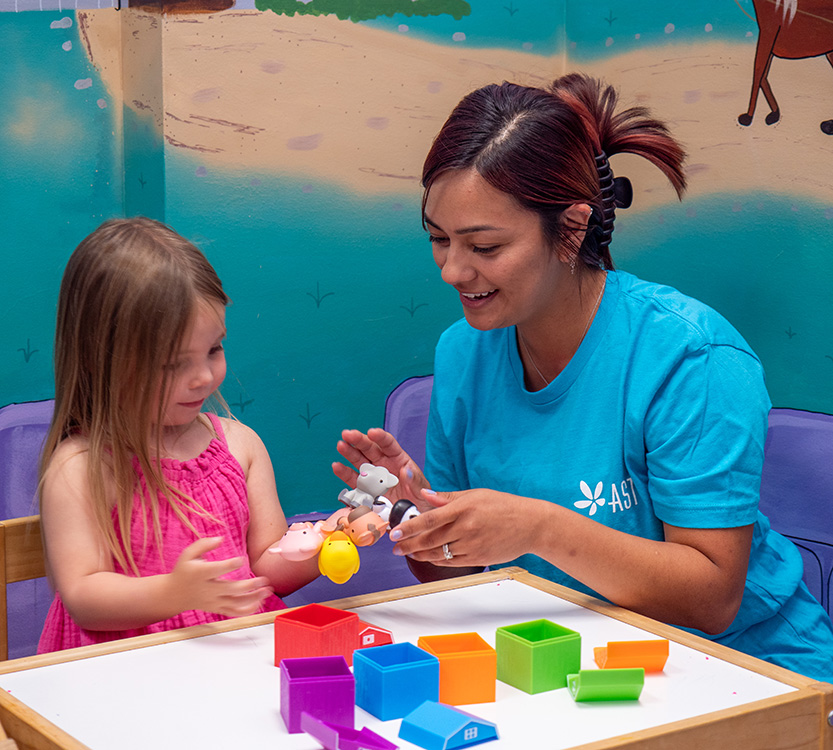
In Arizona, LEARN Behavioral provides in-home, in-school, and center-based ABA therapy for children and young adults through its Autism Spectrum Therapies (AST) team. Our board certified behavior analysts (BCBAs) build an individualized treatment plan for each child, and our behavior technicians (BTs) deliver one-on-one care that focuses on building desired behaviors and reducing interfering and interrupting behaviors.
We serve families and their kids across the Phoenix and Tucson areas. You can explore our Arizona locations, including Phoenix and Tucson.
Ready to begin? Here is a simple path to get started:
To take the next step, learn about our ABA therapy services and contact our intake team.
For most families with a large-employer plan, yes. Arizona requires state-regulated group plans to cover medically necessary behavioral therapy, including ABA, without a dollar cap. The mandate does not reach individual-market plans or small-employer plans (2 to 50 workers), so if you buy coverage on your own or work for a small business, ABA coverage depends on your specific policy rather than state law.
No. Arizona removed the last age-based limits from its autism insurance law in 2025. Coverage now applies without an age cutoff for the private plans the mandate reaches, a change from the law’s original 2008 version.
No, not anymore. Arizona’s original 2008 law set tiered caps of $50,000 and $25,000 depending on age. A 2025 amendment removed those caps entirely for the plans the law covers, so ordinary cost sharing, not a special dollar limit, is what applies.
Not necessarily. The state mandate excludes individual-market policies and small-employer plans with 2 to 50 employees. If you have one of these plans, ask your insurer directly whether autism and ABA coverage is included, since it is not guaranteed by this particular state law.
Yes, and it has for some time. Arizona has licensed behavior analysts through its Board of Psychologist Examiners since roughly 2010, putting it among the first states to regulate the profession this way. Practicing without that license is a class 2 misdemeanor.
Yes. Arizona’s Medicaid program, AHCCCS, covers medically necessary ABA for eligible children under 21 through the EPSDT benefit, with no annual dollar cap, and it is delivered through managed care plans with prior authorization.
In Arizona, LEARN Behavioral serves families through Autism Spectrum Therapies (AST) and works with most private insurers as well as Medicaid. Because plan terms and eligibility for the state mandate vary, our intake team confirms your exact coverage before therapy begins.
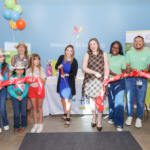
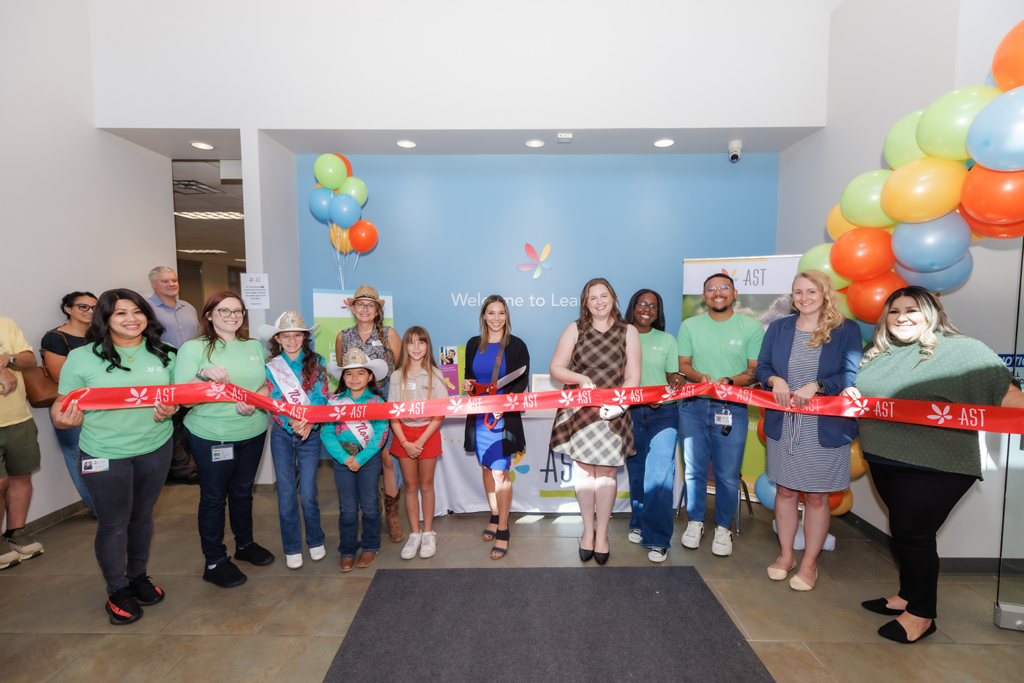
Autism Spectrum Therapies (AST), a provider of LEARN Behavioral, officially opened the doors of its new Norco Learning Center with a ribbon-cutting celebration on October 6, 2026.
Hosted by the Norco Area Chamber of Commerce, the ribbon-cutting ceremony was held at the new Norco Learning Center at 1731 Third St, Norco, CA 92860.
During the ceremony, Jamie Ball, president and CEO of Norco Area Chamber of Commerce and Visitors Center, and Sarah Azevedo, Representative for Assemblywoman Natasha Johnson, shared greetings and remarks. Members of the Norco Area Chamber of Commerce and other guests were in attendance.
Ribbon-cutting attendees were able to tour the facility, enjoy light refreshments, and meet Bri Waterbury, M.A., BCBA, Regional Clinical Director, Hayley Peck, M.A., BCBA, Senior Regional Director, and their team of board certified behavior analysts (BCBAs) and behavior technicians (BTs).
“AST is excited to bring compassionate, high-quality ABA therapy to families throughout the Inland Empire,” said Bri Waterbury, Regional Clinical Director. “We tailor our services to each child and family, providing engaging, evidence-based care in an environment designed to help children build skills, confidence, and independence.”
AST provides contemporary applied behavior analysis (ABA) center-based autism services for children ages 1-12 years. The Norco Learning Center provides center-based ABA therapy, parent education, and Social Skills Programs. Outside the center, the Norco team provides ABA support in the home and community settings.
Flexible treatment hours, including after-school and weekend hours, are available to accommodate busy family schedules. There is no wait list. The Norco Learning Center is conveniently located adjacent to Riverside Community College and is easily accessible via I-15 for families in the region.
“We’re proud to be part of the Norco community—and deeply committed to helping families thrive,” said Hayley Peck, Senior Regional Director.
Families are invited to a sensory-friendly open house and fall carnival at the Norco Learning Center on November 14, 2026, from 11 a.m. to 1 p.m. This event will feature an opportunity to meet the team, along with sensory-friendly fall-themed activities for guests to enjoy in a welcoming, inclusive environment.
For more information or to enroll a child at the Norco Learning Center, call (866) 727-8274or visit https://autismtherapies.com/locations/inland-empire
AST, part of the LEARN Behavioral network, is one of the nation’s leading providers of compassionate autism care. In addition to the Norco Learning Center, AST has ABA therapy locations in Azusa, Chula Vista, Long Beach, Menifee, Ontario, Orange, Riverside, San Gabriel, San Marcos, Santa Ana, Temecula, and Victorville.
LEARN Behavioral is a national leader in autism care, offering comprehensive diagnostic services and contemporary applied behavior analysis (ABA) therapy for children with autism spectrum disorder (ASD). With a nationwide network of ABA providers and more than 150 Learning Centers across the country, LEARN delivers the highest standard of evidence-based care—customized to meet the unique needs and interests of each child and family. For more information, visit learnbehavioral.com.
After more than 10 years of conversations, learning, and community, All Autism Talk is taking a pause.
In this brief episode, Richie reflects on the podcast’s journey—from amplifying autistic voices and sharing expert perspectives to the conversations that have personally shaped him as a husband, father, and advocate.
This hiatus is an opportunity to step back, think intentionally about what’s next, and ensure the next chapter continues to serve the autism community in meaningful ways. In the meantime, we’ll be revisiting some of our favorite episodes, bringing them back with refreshed audio and renewed relevance.
To everyone who has listened, shared an episode, or been part of this community: thank you. Your support has made this journey possible, and we’re excited for what’s ahead.
Keep us in your feed. The next chapter is coming.
Michael Maloney, Founder and CEO of LEARN Behavioral, joins us to share about his early career in education and how a small consulting company grew into an organization that now provides autism services in over 17 states (23 with LEARN Academy). In this conversation, we also explore his insights about the changing landscape of services for families. Michael shares, “In the last ten to twelve years, there has been an absolute sea change. When we started, four states covered services, and now all 50 do. Parents often had to pay out of pocket, and few could afford to. The financial burden has lessened so significantly because of the growing awareness and advocacy.”
Watch the video interview at www.allautismtalk.com.
Autism Spectrum Therapies (AST), a provider of LEARN Behavioral, is proud to announce the opening of its new 4684 Ontario Mills Parkway, Suite 100, Ontario, CA 91764.
AST provides contemporary applied behavior analysis (ABA) center-based autism services for children ages 1-14 years. The Ontario Learning Center provides center-based ABA therapy, Early Intervention services, caregiver education, Social Skills Programs, and after-school programming. Outside of the center, the Ontario team offers in-home and school-based ABA therapy.
“We’re excited to have the opportunity to partner with new families in the Central Inland Empire area and look forward to helping find success for every child in our care,” said Hayley Peck, M.A., BCBA, Senior Regional Clinical Director.
The new Ontario location is enrolling new clients with no wait list.
AST, part of the LEARN Behavioral network, is one of the nation’s leading providers of compassionate autism care. In addition to the Ontario Learning Center, AST has ABA therapy locations in Azusa, Chula Vista, Long Beach, Menifee, Norco, Orange, Riverside, San Gabriel, San Marcos, Santa Ana, Temecula, and Victorville.
For more information or to enroll a child at the Ontario Learning Center, call (866) 727-8274 or visit https://autismtherapies.com/locations/inland-empire
LEARN Behavioral is a national leader in autism treatment, offering comprehensive diagnostic services and contemporary applied behavior analysis (ABA) therapy for children with autism spectrum disorder (ASD). With a nationwide network of ABA providers and more than 100 Learning Centers across the country, LEARN delivers the highest standard of evidence-based care—customized to meet the unique needs and interests of each child and family. For more information, visit learnbehavioral.com.
Autism Spectrum Therapies (AST), a provider of LEARN Behavioral, is proud to announce the opening of its new Norco Learning Center at 1731 Third St, Norco, CA 92860.
AST provides contemporary applied behavior analysis (ABA) center-based autism services for children ages 1-12 years. The Norco Learning Center provides center-based and in-home ABA therapy, parent education, and Social Skills Programs.
“We’re excited to have the opportunity to partner with new families in Riverside County and look forward to helping find success for every child in our care,” said Bri Waterbury, M.A., BCBA, Regional Clinical Director.
The new location in Norco is enrolling new clients with no wait list.
AST, part of the LEARN Behavioral network, is one of the nation’s leading providers of compassionate autism care. In addition to the Norco Learning Center, AST has ABA therapy locations in Azusa, Chula Vista, Long Beach, Menifee, Orange, Riverside, San Gabriel, San Marcos, Santa Ana, Temecula, and Victorville, as well as a corporate office in Ontario. AST is also opening a Learning Center in Ontario later this spring.
For more information or to enroll a child at the Norco Learning Center, call (866) 727-8274or visit https://autismtherapies.com/locations/inland-empire
LEARN Behavioral is a national leader in autism treatment, offering comprehensive diagnostic services and contemporary applied behavior analysis (ABA) therapy for children with autism spectrum disorder (ASD). With a nationwide network of ABA providers and more than 100 Learning Centers across the country, LEARN delivers the highest standard of evidence-based care—customized to meet the unique needs and interests of each child and family. For more information, visit learnbehavioral.com.
Some places are simply easier places for families to go.
They are not perfectly quiet or empty. They just feel manageable. Noise does not build too fast. Crowds tend to spread out instead of bunching up. There is room to walk, sit, or take a break without drawing attention. Families can stay for a short time or longer, depending on how a child is doing.
Parents of children with sensory sensitivities learn which places work by experience. They notice where outings feel calmer and where things unravel quickly. Certain locations become dependable options they can return to.
Norco has more of these places than people often realize. Its open spaces, trail systems, and slower pace create everyday spots where families can spend time together more comfortably.
Here are five sensory-friendly places in and around Norco that families often return to.

The Santa Ana River Trail runs along the edge of Norco with wide, paved paths. The trail feels open, and families can walk, use scooters, or simply sit and watch what is happening around them. Because the space does not change much from one section to the next, children can see what is coming. That consistency can make a big difference.
Tip for families: Choose a short, familiar stretch and turn back when needed. Repeating the same section can help children feel more comfortable.
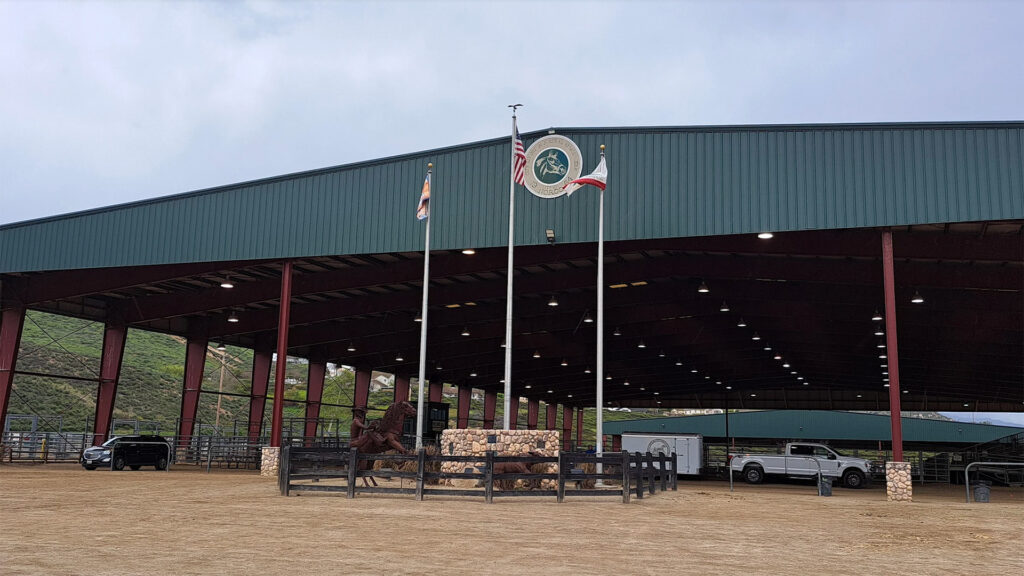
The Ingalls Event Center reflects what Norco is known for: horses, open land, and a slower rhythm. It’s an agricultural, equestrian, and animal-keeping center where the grounds are spread out. On days without large events, families often walk the perimeter or watch riders from a distance. There is plenty to see without needing to join in.
Tip for families: Check the event calendar before you go. Non-event mornings are usually quieter.

The Hidden Valley Wildlife Area sits in the Norco Hills and offers dirt trails, native plants, and wide views. There are no playgrounds or scheduled activities. Families set their own pace. Children who like to look at rocks, plants, or insects often do well here. There is no pressure to move quickly or cover a certain distance.
Tip for families: Walk the same loop each visit. Predictable paths help reduce surprises.

The Norco College Library provides a calm, organized space with clear expectations. Lighting stays even. Voices stay low. Families can read, sit together, or take a break from busier environments. Because it is on a college campus, the library often feels less crowded than public branches, especially outside class rush times.
Tip for families: Midmorning tends to be the quietest time. Staff can help point out less busy seating areas.

The Pumpkin Rock Trail is a popular local hike, but it also works well for flexible outings. The trail is easy to follow and open enough that families can stop, take breaks, or turn back at any point. The scenery stays fairly consistent, which helps children stay comfortable without too much sensory input.
Tip for families: Go earlier in the day, especially in warmer months, to avoid heavier foot traffic.
Getting out into the community is one piece of daily life. Ongoing support can help too.
Families in Norco and nearby communities can connect with Autism Spectrum Therapies, (AST) part of LEARN Behavioral. Autism Spectrum Therapies provides applied behavior analysis therapy that reflects each child’s needs, strengths, and personality, both at home and in the community.
Autism Spectrum Therapies (AST), a provider of LEARN Behavioral, is proud to announce the opening of its new Chula Vista Learning Center at 660 Bay Blvd., Suite 110 & 111, Chula Vista, CA 91910.
AST provides contemporary applied behavior analysis (ABA) center-based autism services for children ages 1-12 years. The Chula Vista Learning Center provides center-based, in-home, and community-based ABA therapy and individualized programs, including Early Intervention, Social Skills Programs, and parent education.
“We’re excited to have the opportunity to partner with new families in the San Diego area and look forward to helping find success for every child in our care,” said Heather Link, M.A., BCBA, Regional Clinical Director.
The center is now enrolling new clients based in greater San Diego with flexible treatment hours.
AST, part of the LEARN Behavioral network, is one of the nation’s leading providers of compassionate autism care. The Chula Vista Learning Center is AST’s second ABA therapy location in San Diego County. They also have a Learning Center in San Marcos and a corporate office in San Diego.
For more information or to enroll a child at the Chula Vista Learning Center, call (866) 727-8274 or visit https://autismtherapies.com/locations/san-diego
LEARN Behavioral is a national leader in autism treatment, offering comprehensive diagnostic services and contemporary applied behavior analysis (ABA) therapy for children with autism spectrum disorder (ASD). With a nationwide network of ABA providers and more than 100 Learning Centers across the country, LEARN delivers the highest standard of evidence-based care—customized to meet the unique needs and interests of each child and family. For more information, visit learnbehavioral.com.
Families throughout the region are invited to free sensory-friendly “Trunk or Treat” and “Trick or Treat” events at Autism Spectrum Therapies (AST) in Menifee, Riverside, and Victorville.
AST’s Halloween-themed events bring families together for sweet treats and smiles in a supportive environment. Events are free and open to the public.
AST, part of the LEARN Behavioral network, is one of the nation’s leading providers of compassionate autism care. AST is a premiere contemporary applied behavior analysis (ABA) provider of center-based autism services for children and adolescents. The three Inland Empire ABA Learning Centers provide center-based, in-home, and school-based ABA therapy, Social Skills Programs, and parent education.
The Menifee, Riverside, and Victorville locations opened earlier this year and provide ABA therapy, which includes a learning-rich environment, unique play-based learning spaces, and one-on-one support. There’s no waitlist at these locations, and flexible treatment hours accommodate busy family schedules.
For more information or to enroll a child, call (866) 727-8274 or visit https://autismtherapies.com/locations/inland-empire
LEARN Behavioral is a national leader in autism treatment, offering comprehensive diagnostic services and contemporary applied behavior analysis (ABA) therapy for children with autism spectrum disorder (ASD). With a nationwide network of ABA providers and more than 100 Learning Centers across the country, LEARN delivers the highest standard of evidence-based care—customized to meet the unique needs and interests of each child and family. For more information, visit learnbehavioral.com.
Eric Chessen, founder of Autism Fitness, shares his journey to create effective fitness programs for neurodivergent individuals. He emphasizes the importance of understanding their unique needs and challenges as well as the role of fitness as a life skill. He states, “It’s not just for sports or body composition. A lot of our focus is to support activities in daily living.” Eric also discusses the need to raise the standard of practice in the fitness industry to better serve the autism community.
To watch the interview or read the transcription, visit: https://www.allautismtalk.com/episodes/the-importance-of-fitness-to-support-life-skills
All Autism Talk is sponsored by LEARN Behavioral.